How much do you know about probiotics?
According to the World Health Organization (WHO), if consuming sufficient amounts of live microorganisms can benefit the host's health, these live microorganisms are considered probiotics.
The human body harbours a vast array of microbial communities (microbiota), with the majority residing in the intestines, while the remainder are distributed across the oral cavity, respiratory tract, skin, vagina, and other areas. Among these, the microorganisms that are beneficial to health are probiotics. The balance of the human microbiome is closely related to health, particularly the composition of intestinal microorganisms, which directly influences the intestinal immune system and, in turn, overall health. Maintaining a healthy microbiome requires having an adequate number of beneficial bacteria while suppressing harmful bacteria within the body to uphold overall well-being.
The first batch of probiotics in the human body actually comes when the mother is pregnant, microorganisms are already transmitted from the placenta to the foetus. Then, during childbirth, the probiotics in the mother's vagina are transmitted to the infant, becoming the baby's first gift at birth, which is beneficial for the baby's healthy growth. Conversely, infants born via caesarean section have a different gut microbiome compared to those born vaginally, and they also have a higher risk of developing allergic diseases. Additionally, the structure of the gut microbiome largely stabilises by around three years of age. Therefore, probiotics play a crucial role in the healthy development of infants.
Probiotics can be found in many foods, especially dairy products, soy products, and fermented foods such as yoghurt, buttermilk, pickles, kimchi, natto, kefir, sauerkraut, miso, kombucha, etc.
The benefits of probiotics
Probiotics are active microorganisms that are beneficial to human health, primarily found in the gut. They help maintain the balance of the gut microbiome, promote digestion, strengthen the immune system, and prevent the growth of harmful bacteria. Research indicates that probiotics not only improve gut health but also alleviate allergic reactions, reduce stress, and even have a positive impact on mental health. As people increasingly prioritise health, the application of probiotics has become increasingly widespread, from food to skincare products, undoubtedly becoming an important choice for enhancing quality of life.Probiotics can alleviate gastrointestinal discomfort and diarrhoea, including diarrhoea caused by antibiotic use or Clostridioides difficile infection. Probiotics produce various antimicrobial substances to defend against bacterial and viral invasions. Additionally, probiotics regulate intestinal activity, increase peristalsis, and improve constipation. Furthermore, probiotics have anti-inflammatory properties. The short-chain fatty acids (SCFAs) they produce can reduce inflammation and promote the restoration of intestinal microbial balance.

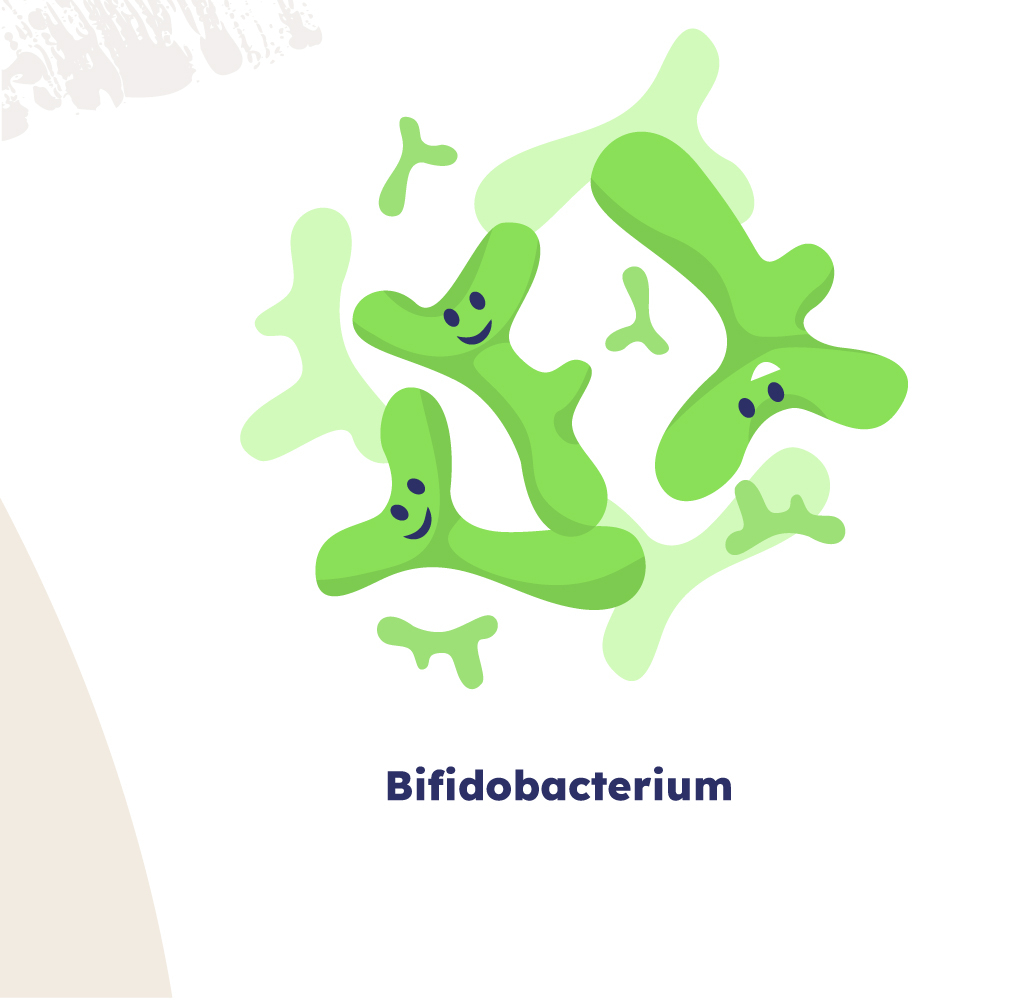
Bifidobacterium lactis. Bifidobacterium lactis first adheres to the intestinal wall before it can reproduce, remain there, and communicate with the immune system beneath the intestinal wall. This probiotic has excellent adhesive properties and high survivability in the intestinal environment. It can strengthen the connections between intestinal cells, creating a natural barrier that resists the invasion of pathogens.
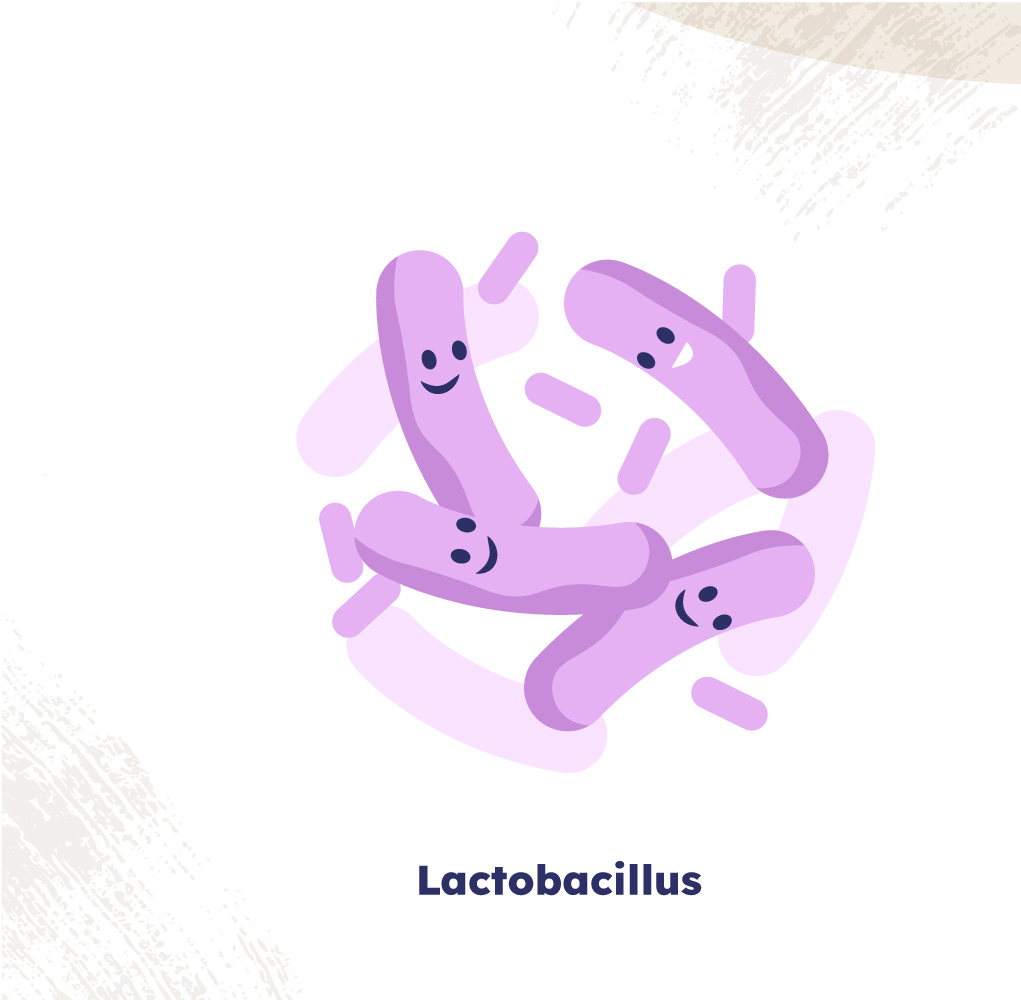
Lactobacillus paracasei. Lactobacillus casei is commonly used in the fermentation of dairy products such as cheese and yoghurt. It is genetically and morphologically very similar to Lactobacillus casei and Lactobacillus rhamnosus, so much so that they are often referred to as siblings. These three species are collectively known as the Lactobacillus casei group (Lactobacillus casei group).
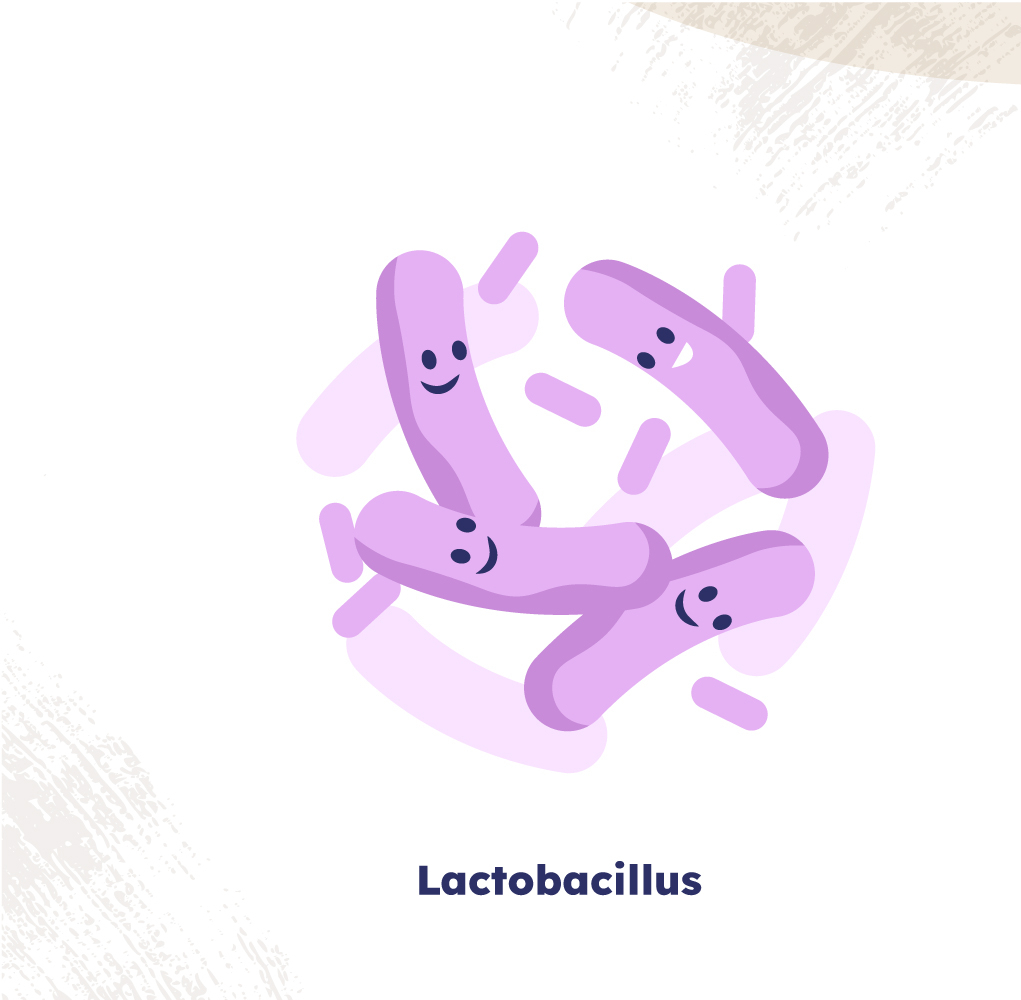
Lactobacillus plantarum. The primary function of Lactobacillus plantarum is to regulate central energy metabolism and counteract the physiological effects of excessive energy intake leading to obesity. In recent years, numerous studies have given positive evaluations of Lactobacillus plantarum in this regard.